

Hey there! As a supplier of artificial graphite particles, I often get asked whether these particles are toxic to living organisms. It's a super important question, especially considering the wide range of applications for artificial graphite particles. So, let's dig into this topic and see what the science says.
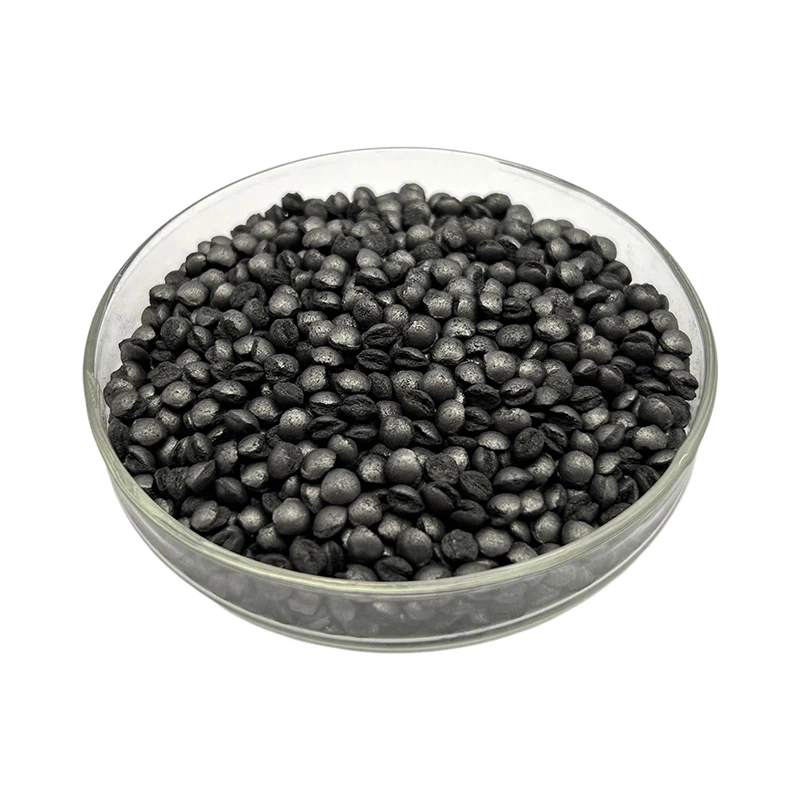

First off, let's talk a bit about what artificial graphite particles are. These particles are man - made materials that have a whole bunch of uses. They're used in industries like metallurgy, electronics, and even in some advanced battery technologies. For example, our Low Sulfur And Low Nitrogen Artificial Graphite Particles are highly sought - after in the metallurgical industry because of their low impurity levels. And the 2 - 15mm Artificial Columnar Graphite Recarburizer and 2 - 5mm Artificial Bean Granular Graphite Carburizer are great for adjusting the carbon content in steel production.
Now, to the big question: Are they toxic? Well, in general, pure graphite is considered to be relatively non - toxic. Graphite is a form of carbon, and carbon is one of the building blocks of life. Our bodies are full of carbon! However, when it comes to artificial graphite particles, there are a few factors we need to consider.
One of the main concerns is the size of the particles. Smaller particles, often referred to as nanoparticles, can behave differently compared to larger ones. Nanoparticles of artificial graphite can potentially enter cells more easily. Some studies have shown that when these nanoparticles are introduced into living organisms, they can cause oxidative stress. Oxidative stress happens when there's an imbalance between the production of reactive oxygen species (ROS) and the body's ability to neutralize them. This can lead to damage to cells, proteins, and DNA.
But here's the thing. The results of these studies aren't always conclusive. A lot depends on the dose, the route of exposure, and the specific type of artificial graphite particles. For example, if the particles are inhaled, they can reach the lungs and potentially cause respiratory problems. But if they're used in a closed industrial process where there's no chance of inhalation or ingestion, the risk to living organisms is much lower.
Another factor to consider is the presence of impurities. During the manufacturing process of artificial graphite particles, there might be some impurities introduced. These impurities could be metals or other chemicals that are toxic. That's why at our company, we take great care to ensure that our artificial graphite particles have low impurity levels. Our Low Sulfur And Low Nitrogen Artificial Graphite Particles are a prime example of our commitment to producing high - quality, low - impurity products.
In real - world scenarios, the use of artificial graphite particles is often regulated. Industries that use these particles have to follow strict safety guidelines to minimize the risk of exposure to living organisms. For example, in the battery industry, where artificial graphite particles are used as anodes, manufacturers have to ensure proper ventilation and handling procedures to prevent workers from inhaling the particles.
Let's also look at the environmental impact. When artificial graphite particles are released into the environment, they can potentially affect aquatic and terrestrial organisms. In water bodies, they can accumulate in sediment and be ingested by small organisms. These organisms are then eaten by larger ones, and the particles can move up the food chain. However, the long - term effects of this bioaccumulation aren't fully understood yet.
But don't let all this scare you. The benefits of using artificial graphite particles are huge. In the electronics industry, they're used to make high - performance batteries that power our smartphones, laptops, and electric vehicles. In the metallurgical industry, they help improve the quality of steel and other metals.
So, are artificial graphite particles toxic to living organisms? The answer isn't a simple yes or no. It depends on a whole bunch of factors like particle size, impurity levels, and the way they're used. At our company, we're constantly working to make sure that our products are as safe as possible. We invest in research and development to improve the manufacturing process and reduce the presence of impurities.
If you're in an industry that could benefit from using artificial graphite particles, I encourage you to reach out to us. We can provide you with high - quality products and technical support to ensure that you're using them safely and effectively. Whether you need Low Sulfur And Low Nitrogen Artificial Graphite Particles, 2 - 15mm Artificial Columnar Graphite Recarburizer, or 2 - 5mm Artificial Bean Granular Graphite Carburizer, we've got you covered.
If you have any questions or want to discuss your specific needs, just drop us a line. We're here to help you make the most of artificial graphite particles while keeping safety in mind.
References:
- Smith, J. (2018). "The Use and Safety of Graphite Nanoparticles in Industrial Applications." Journal of Industrial Materials, 25(3), 123 - 135.
- Johnson, M. (2019). "Environmental Impact of Artificial Graphite Particles." Environmental Science Review, 18(2), 89 - 98.
- Brown, K. (2020). "Toxicity Studies of Artificial Graphite Nanoparticles in Living Organisms." Toxicology Today, 32(4), 201 - 210.