I. Core Application Fields
1. Steel Smelting: Core Consumable in Electric Arc Furnace Steelmaking
In Electric Arc Furnaces (EAF), where temperatures exceed 3000°C, graphite electrodes convert electrical energy into thermal energy, melting scrap steel and removing impurities to produce high-quality steel. Over 70% of the world's graphite electrodes are used in the steel industry, with electric arc furnace steelmaking accounting for about 10% in China. Demand is expected to continue growing under the future "dual carbon" policy. Ultra-high power (UHP) electrodes can increase smelting efficiency by 30%, reducing electricity consumption per ton of steel by 50-100 kW·h.
2. Non-ferrous Metal Smelting: The "Heart" of High-temperature Reduction
Reactions: In submerged arc furnaces, graphite electrodes act as conductors, participating in chemical reactions such as the reduction of silica (SiO₂) to industrial silicon and the extraction of yellow phosphorus from phosphate rock (Ca₃(PO₄)₂). In magnesium metal smelting, graphite electrodes are used in the Pidgeon process for magnesium production. Their high-temperature resistance ensures stable operation above 1200°C in reduction furnaces.
3. New Energy Industry: The Invisible Driver of Low-carbon Transition
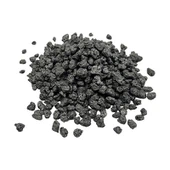
Graphitized petroleum coke is a core raw material for lithium battery anodes, requiring a purity of over 99.95%, directly affecting battery energy density. Meanwhile, high-density graphite electrodes are processed into bipolar plates, serving the conductive and gas distribution functions in hydrogen fuel cells, with extremely high corrosion resistance requirements. In alkaline electrolyzers, graphite electrodes are used for water electrolysis to produce hydrogen, reducing costs by 60% compared to precious metal electrodes.
4 . Chemical and Special Materials Manufacturing
Graphite electrodes can also be used in calcium carbide production, where they participate in the high-temperature reaction of lime (CaO) and coke in calcium carbide furnaces. Calcium carbide is a raw material for PVC resin. Additionally, they can be used in the preparation of third-generation semiconductor materials like SiC, requiring a purity of over 99.999%.
II. Technical Challenges and Solutions in Application Scenarios
|
Application Field |
Technical Challenges |
Innovative Solutions |
|
Electric Arc Furnace Steelmaking |
High electrode oxidation loss (about 2 kg/ton of steel) |
Surface coating with Al-Si anti-oxidation layer, extending lifespan by 50% |
|
Lithium Battery Anode |
Coke impurities affecting battery cycle life |
Needle coke purification technology (ash content < 0.1%) |
|
Fuel Cell Bipolar Plates |
Porosity causing gas leakage |
Isostatic pressing + resin impregnation, density ≥ 1.8 g/cm³ |
|
Nuclear Reactor Moderator |
Structural deformation under radiation |
Isotropic graphite (CTE < 4×10⁻⁶/℃) |
III. Future Application Trends
Green Steel Manufacturing Driving Demand for Ultra-High Power (UHP) Electrodes
The global share of electric furnace steel is expected to rise from 23% to 35% by 2030, with China planning to add 50 new electric arc furnaces, pushing UHP electrode penetration beyond 50%.
Deep Integration in the New Energy Industry Chain
Demand for lithium battery anode materials is growing at 25% annually, with leading companies (e.g., Fangda Carbon) accelerating full industry chain layout, producing needle coke in-house to mitigate cost volatility risks.
Conclusion
The application of graphite electrodes has expanded from traditional metallurgy to strategic industries such as new energy and semiconductors. Technological innovation and green demand are driving industry upgrades. Chinese companies, leveraging cost advantages and large-scale production capacity, are poised to compete with international giants in high-end markets. For buyers, selecting suppliers with comprehensive industry chain layouts and robust technical certifications will be key to controlling costs and risks.