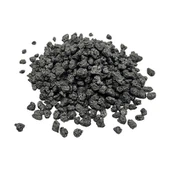
Carbon raiser is one of the most critical auxiliary materials in foundry and steelmaking. It determines the final carbon content of molten metal, affects the mechanical properties of castings, and directly influences production cost. Choosing the wrong carbon raiser can lead to unstable product quality, high rejection rates, and unnecessary expenses.
1
What Is a Good Carbon Raiser?
A qualified carbon raiser should have these core features:
- High fixed carbon: ≥95% for most applications, ensuring high carbon absorption rate and low residue.
- Low sulfur & nitrogen: Reduces harmful gas generation and improves the purity of molten iron/steel.
- Low ash & volatile matter: Minimizes slag formation and avoids affecting furnace operation.
- Stable particle size: Matches the melting process to prevent floating or excessive burning loss.
2
Common Types of Carbon Raisers
- Petroleum coke-based carbon raiser: Low cost, suitable for general foundries; choose calcined or graphitized grades for better performance.
- Graphitized carbon raiser: High purity, fast absorption, ideal for high-grade castings and steelmaking; widely preferred in Europe, Southeast Asia, and the Middle East.
- Graphite electrode scrap carbon raiser: Recycled material with good graphitization, cost-effective for steel mills and alloy smelting Key Selection Tips.
3
Match the process:
- Induction furnaces need smaller particle sizes (0.2–5mm), while cupolas can use larger granules (1–10mm).
- Check absorption rate: High-quality carbon raisers have absorption rates above 90%, saving raw material consumption.
- Prioritize consistency: Batch-to-batch stability is more important than a one-time low price, to avoid production fluctuations.
4
How to Maximize Carbon Absorption?
- Add carbon raiser early during melting to extend contact time with molten metal.
- Avoid adding on top of slag; mix it with scrap or pig iron for better contact.
- Control the melting temperature to ensure the carbon raiser fully dissolves without excessive burning loss.