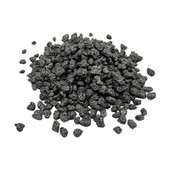
Mounting Costs and Inspection Standards Keep Raising the Bar for GPC Recarburizer Exports
The domestic market for graphitized petroleum coke (GPC) and calcined coke recarburizers has shown a clear mismatch between raw material costs and end‑user demand. Carbon producers and traders share the same feeling: petroleum coke prices swing frequently, while power and graphitization processing costs remain firm. Steel mills and foundries avoid large restocking and only buy for immediate consumption. In export markets, however, low‑sulfur, high‑purity grades hold stronger bargaining power.
On the feedstock side, domestic refineries keep steady coke output, yet imported supply keeps bringing uncertainty. Several overseas refineries have scheduled maintenance, cutting arrivals of medium‑to‑high sulfur coke and creating structural gaps at ports. Low‑sulfur coke stays tight and expensive, pushing up costs for calcination and graphitization. Many carbon plants report that consistent raw material sourcing has become their biggest headache. Any shift in sulfur or vanadium content will make finished recarburizers fail inspection for overseas steel and foundry buyers.
Domestic demand shows mixed signals. The rising share of electric arc furnace steelmaking creates long‑term support for premium carbon raisers, yet steel profit pressure keeps mill purchasing conservative. Most foundries keep lean inventories and avoid advance bulk buying. Semi‑graphitized and standard calcined coke move steadily with fierce price competition. In contrast, GPC with over 98.5% fixed carbon, low sulfur and low nitrogen maintains steady orders from high‑end ductile iron and precision casting workshops, who pay a premium for reliable carbon absorption and controlled impurities.
Overseas demand remains the main bright spot. Repeat orders keep coming from India, Turkey, Malaysia, Egypt and Spain. Foreign buyers are becoming more professional; they no longer focus only on unit price, but carefully check carbon recovery, volatile matter and particle size consistency. Many overseas foundries are phasing out coal‑based carburizers and switching to GPC to reduce casting defects such as porosity and inclusions. Exporters still face hurdles: volatile ocean freight, varying customs rules across markets, and longer compliance review for ultra‑high purity grades. Suppliers without strict lab testing often run into disputes after cargo arrives at destination ports.
The industry consolidation speeds up. Small workshops relying on low pricing struggle under stricter environmental rules, energy limits and rising raw material bills. Factories with secure coke sources, in‑house screening and lab facilities, and flexible packaging options show stronger order resilience. Many sellers shift from pure price competition to technical support: they suggest suitable grades and feeding plans based on clients' furnace conditions to cut total carbon consumption. This service‑led approach is well received by buyers in the Middle East and Southeast Asia.
Most insiders expect no sharp rally or crash in the near term. If refinery maintenance reduces incoming cargo further, feedstock costs will underpin recarburizer prices. Still, a major price surge is unlikely without a clear recovery in finished steel and casting consumption. The market will keep splitting by quality. Low‑grade ordinary products will stay trapped in thin‑margin price wars, while low‑sulfur high‑purity GPC will enjoy healthier demand both domestically and abroad. For exporters, stable quality control, proper pre‑shipment testing and reliable shipping arrangements will work better than aggressive discounting for retaining long‑term clients.