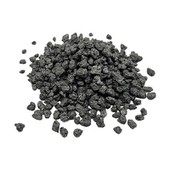
The customs clearance process for graphitized petroleum coke imports primarily includes determining regulatory requirements, preparing customs declaration documents, exchanging bills of lading upon arrival, customs declaration and inspection, paying taxes and fees, customs inspection, and finally releasing the goods for collection. The details are as follows:
1. Determining Regulatory Requirements:
First, ensure you have import and export rights. If not, you can use a foreign trade agent to import. Determine the regulatory requirements and quarantine category for graphitized petroleum coke using the customs code. Understand the relevant import licenses and special requirements, and prepare in advance.
2. Preparing Customs Declaration Documents:
Gather and organize necessary import documents, including the import contract, invoice, packing list, bill of lading, certificate of origin, and composition test report.
- Commercial Invoice: Indicates the type, specifications, quantity, unit price, and total value of the graphite petroleum coke.
- Packing List: Details the packaging of the goods and a detailed list of the contents of each container.
- Bill of Lading: Confirms ownership and shipping information.
- Contract Copy: Reflects the transaction terms and the rights and obligations of both parties.
At the same time, clearly define the declaration elements, including product name, brand type, processing method, sulfur content, and fixed carbon content, ensuring that these documents are accurate and comply with national import requirements.
3. Exchange of bills of lading upon arrival:
Upon arrival of graphitized petroleum coke at a designated domestic port, the importer or its agent must exchange the ocean bill of lading or airway bill with the shipping company or airline for a formal bill of lading. This is the key document required for cargo collection.
4. Customs declaration and inspection:
Submit the prepared customs declaration documents to a customs broker or file a declaration with customs through the "Single Window" service. The customs broker will help organize the documents, enter them into the system, and ensure compliance with customs regulations. Furthermore, regulatory requirements may require inspection and submission of relevant documents for inspection and quarantine.
5. Payment of taxes and fees:
Customs will review the declaration, determine the dutiable value of the goods, and issue a tax invoice. Importers must pay the corresponding duties, value-added tax, and other taxes and fees according to regulations. Ensure timely payment to avoid incurring additional late fees or penalties.
6. Customs Inspection:
Customs may inspect imported graphitized petroleum coke to verify that the actual goods match the declared information, including quantity, quality, specifications, and compliance with the standards and regulations of the importing country. Importers are required to cooperate with customs inspections and provide necessary assistance and explanations.
7. Release and Collection:
If customs inspection is satisfactory, the importer will receive a customs release notice and can collect the goods at a designated location. After collection, the goods will be delivered to the designated location, unloaded, and returned to the container, completing the customs clearance process.
The above customs clearance and declaration process for graphite petroleum coke imports will help you better understand each step and successfully achieve compliant imports of graphite petroleum coke. For further information on graphite petroleum coke prices, please feel free to contact us, and we will provide you with a satisfactory price.