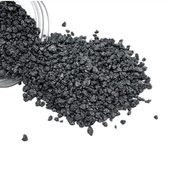
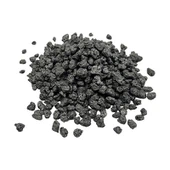
Fuel: About 80 percent of worldwide petcoke production is "fuel-grade" petcoke (green coke), used for electricity generation and in cement kilns.
Aluminum: Calcined petcoke is necessary to make anodes for smelting and is the only commercially viable method to do so. It boasts a superior combination of electrical conductivity and resistance to chemical and physical degradation in the smelting pot, which contains lower levels of contaminants (i.e. ash).
Paint and Colorings: Calcined petcoke is used in the production of titanium dioxide (TiO2), a mineral that is used as a substitute for lead in paint. TiO2 is also used as a pigment in sunscreen, plastic and food coloring.
Steel: Calcined petcoke is a partial replacement for metallurgical coal as a feedstock for coke oven batteries, and as a partial substitute for pulverized coal directly injected into blast furnaces. Petcoke that is specially produced to have a needle-like crystal structure is called needle coke. Needle coke is used to produce the electrodes used in electric arc furnace (EAF) steel production. No other material has needle coke's combination of electrical conductivity and physical properties required for EAF electrodes.
Brick and Glass: Calcined petcoke is used by brick and glass manufacturers because it has a significantly lower ash content compared to other fuels.
Paper: Calcined petcoke is gasified to produce ammonia and urea ammonium nitrate, which is then to produce pulp and paper. The TiO2 that is produced from calcined petcoke is also used as a mineral that is then used as a whitener for paper.
Fertilizer: Calcined petcoke is gasified to produce ammonia and urea ammonium nitrate, which is then used in fertilizer production.