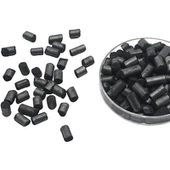
Low-sulfur graphite petroleum coke prices soar: The economic environment in the winter of 2024 is full of variables, and the recent surge in low-sulfur coke prices has attracted widespread attention in the market. In just a few weeks, major producers such as Jinzhou Petrochemical have raised the ex-factory price of petroleum coke. The low-sulfur coke market has now risen by more than 40%. This phenomenon has not only reshaped the market structure, but also put negative electrode material manufacturers under huge cost pressure.
The main reasons for the continued rise in low-sulfur petroleum coke prices are as follows:
1. End-of-year demand surge: Near the end of the year, the number of orders for downstream negative electrode materials has surged, forcing negative electrode material manufacturers to increase the purchase of petroleum coke. In particular, some leading companies are close to full production and urgently need to replenish inventory. It is this strong demand that has driven the continued rise in petroleum coke prices.
2. Good demand in the graphite electrode market: Corresponding to the low-sulfur coke market, the market demand for graphite electrodes has increased slightly, further promoting the demand for low-sulfur coke. Manufacturers have increased their purchases of low-sulfur coke to ensure the smooth production chain.
3. Low inventory in refineries: It cannot be ignored that the inventory of refineries continues to be low, coupled with the recent decrease in the number of petroleum coke ships arriving at the port, especially the significant decrease in the import volume of low-sulfur coke for negative electrodes, forming a situation of tight supply and demand.
4. Domestic low-sulfur coke production increased, and the supply of imported low-sulfur coke decreased: Domestic low-sulfur coke supply increased significantly, but as a supplementary resource, the import volume of imported coke decreased month-on-month, the overall supply resources decreased, and the demand increased, resulting in a slight shortage of market supply and a "snatching" situation in the downstream.
5. Domestic low-sulfur coke inventory continued to be low, and shipments were smooth: Low-sulfur coke refinery inventory continued to be low, and refineries had no inventory pressure. It coincided with the increase in downstream procurement. The two reasons were superimposed, and the market support for low-sulfur coke was strengthened, and the coke price naturally rose.
6. The operating rate of low-sulfur coke downstream has improved, and the demand has increased: the increase in negative electrode production has played a significant role in driving the price of low-sulfur coke. The orders of some battery factories have increased significantly, and the new production capacity of some negative electrode factories has been put into production, which naturally increases the demand for raw materials.
These factors have worked together to lead to the continued rise in the price of low-sulfur petroleum coke.