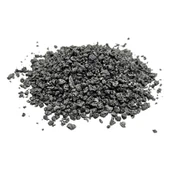
The selection of artificial graphite for automotive component casting is fundamentally based on its resistance to extreme conditions such as high temperatures, chemical corrosion, and thermal stress, as well as its overall advantages in processing efficiency and cost-effectiveness. In automotive casting, the moisture content of artificial graphite significantly impacts its performance and application effectiveness, primarily in the following aspects:

1. Impact on Casting Surface Quality and Porosity Formation
If artificial graphite contains excessive moisture, water evaporation during high-temperature casting generates steam, leading to porosity or surface oxidation inclusions as the molten metal solidifies. Particularly in precision casting, such defects directly compromise the mechanical properties and surface quality of the castings.
2 . Interference with Carburizer Performance
Artificial graphite is commonly used as a carburizer for iron smelting. High moisture content can cause the carburizer to absorb moisture and clump, reducing its dispersibility and absorption efficiency, thereby affecting carbon content control in the molten iron. Premium artificial graphite carburizers typically maintain a moisture content of ≤1% or even lower (e.g., 0.5%) to ensure stability and efficient carbonization. Therefore, carburizers should be selected based on low sulfur, low ash, and dryness; excessive moisture reduces carbon absorption rates and increases the risk of compositional deviations in castings.
3. Environmental and Operational Safety Concerns
High-moisture graphite may release more steam in the high-temperature environment of a foundry, increasing workshop humidity. This can compromise worker safety and accelerate equipment corrosion.
4. Moisture Control Requirements in Production Processes
The manufacturing of artificial graphite involves graphitization at 2500°C–3000°C, which drastically reduces moisture and volatile content. High-quality artificial graphite undergoes calcination and graphitization to minimize impurities, including moisture. For automotive casting applications, the moisture content is typically required to be ≤1% or lower to ensure material purity and process stability.
In automotive casting, the moisture content of artificial graphite must be strictly controlled at low levels (generally ≤1%) to avoid issues such as porosity, compositional deviations, and reduced mold lifespan. Moisture control is a key quality indicator for artificial graphite, directly influencing casting efficiency and yield. In practice, graphite materials meeting moisture standards should be selected based on casting process requirements, with proper storage conditions to prevent moisture absorption.