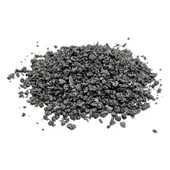
Graphitized petroleum coke (GPC), a common high-efficiency carbon raiser, is extensively acquired by metallurgical plants both domestically and abroad due to the ongoing growth of the worldwide foundry and electric arc furnace steelmaking sectors. Many purchasers use GPC with fluctuating impurity levels, ignoring raw material quality management in an attempt to lower unit pricing. In the short run, this could appear to reduce the cost of raw materials, but it ultimately results in a number of losses, such as casting flaws, higher smelting costs, and mass product scrapping. This page describes common production hazards related to high impurities and serves as a purchasing guide for foreign purchasers. It is based on years of experience in integrated industrial and commerce exports.
I. The Most Frequent Quality Risk in Steelmaking and Foundry: Excessive Sulfur (S)
In GPC, sulfur is a dangerous contaminant that needs to be strictly regulated. Special steel and high-end ductile iron often need a sulfur level of less than 0.05% in GPC.
- Ductile iron production: High sulfur content uses up a lot of spheroidizing agents, which results in spheroidization degradation, graphite spheroid distortion, and the appearance of fragmented or flower-like graphite. This directly lowers the mechanical strength of castings; in extreme cases, batches of castings fall short of standards, making it impossible to meet the acceptance standards for automotive and engineering machinery parts.
- Steelmaking in an electric arc furnace: Increased inclusions in molten steel lower steel toughness and the yield of finished products, while sulfur forms low-melting-point sulfides at metal grain boundaries, making steel hot brittle and prone to cracking during forging and hot rolling.
- Increased production costs: When molten iron and steel contain too much sulfur, more desulfurization procedures must be used. This calls for the employment of desulfurizing agents and longer smelting durations, which raises the cost of auxiliary materials and energy consumption per ton of output.
- Environmental risks: It is challenging to comply with the environmental control regulations of companies in Europe, America, and Southeast Asia due to increased sulfur dioxide emissions during smelting.
II. One of the main causes of porosity defects is excessive nitrogen (N).
The ideal raw material for thick-walled and precise castings is low-nitrogen graphite petroleum coke. Casting flaws are easily caused when the nitrogen concentration of raw materials is continuously high: Subcutaneous pinholes and fissure-like nitrogen porosity occur in thick-walled castings and ductile iron components, leading to unsuccessful casting inspections and the immediate discarding of several completed goods.
High-end hydraulic components and rail transit castings are not suited for nitrogen enrichment since it destroys the graphite morphology and reduces the castings' plasticity and fatigue resistance.
When addressing porosity difficulties, many small and medium-sized foundries focus examining pig iron and scrap steel, frequently ignoring the nitrogen injected by graphite petroleum coke, which leads to long-term unproductive process changes.
III. Excessive Ash Content: A Combined Issue of Furnace Lining Losses and Slag Inclusions
The percentage of effectively fixed carbon in graphite petroleum coke decreases with increasing ash concentration, which is a measure of non-combustible inorganic contaminants.
Large amounts of slag are produced during the smelting process, which decreases the purity of molten iron and steel, increases surface flaws after finishing, and makes castings more vulnerable to non-metallic slag inclusion defects.
The furnace wall is constantly being eroded by large volumes of molten slag, which shortens the lifespan of the linings in electric and induction furnaces and increases the frequency of equipment maintenance.
Technicians find it challenging to precisely regulate the final carbon content due to unstable carbon absorption rates, which causes frequent high and low carbon levels and notable manufacturing process variations.
IV. Unknown Dangers Associated with Trace Heavy Metal Impurities and Volatile Matter
Excessive volatile matter: When it enters the furnace, it quickly releases a lot of gas, which exacerbates the boiling and gas absorption of molten iron and raises the danger of porosity. At the same time, more dust makes the workplace environment worse.
When special alloys and high-end bearing steel are smelted, excessive heavy metal impurities like nickel and vanadium generate hard inclusions that lower the steel's processing performance and make it challenging to satisfy the demanding material requirements of high-end export clients.
V. Unstable Impurity Fluctuations: Riskier Than Just Going Over Requirements
Some vendors provide graphite petroleum coke without reliable manufacturing processes, which causes notable variations in raw material indicators across batches. It's possible for one batch to fulfill sulfur criteria and another to surpass nitrogen standards. Inconsistent product quality results from the factory's fixed smelting process' inability to adjust to changing raw materials.
In contrast, reputable integrated manufacturing and trade facilities use a high-temperature graphitization process at 2800°C to create their own graphite petroleum coke. After every batch, samples are kept for testing, guaranteeing the long-term stability of the sulfur, nitrogen, and ash content and reducing production risks brought on by variations in impurities at the source.
VI. Useful Advice for Preventing Mistakes in the Purchase of Graphite Petroleum Coke
Demand Testing Before Purchasing in Bulk: Before making a purchase, get third-party testing findings. Always provide samples for testing for large-scale purchases to ensure the quality of the final castings and the stability of the molten iron.
Choose the Indicator Grade Based on Product Positioning
Low-sulfur, low-nitrogen graphite petroleum coke (S≤0.05%) is preferred for ductile cast iron and precise castings. Ordinary gray cast iron and traditional steelmaking: The top and lower bounds of indicators can be precisely defined by using standard grade raw materials.
Watch Out for Abnormally Low rates: Graphite petroleum coke offered at rates significantly below market value is likely to have excessive impurities and falsified indications, which frequently results in higher manufacturing costs overall.
Give priority to trade and integrated industrial firms who have their own manufacturing lines and a solid, long-term supply. Reject sources from middlemen whose indicators are untraceable.
conclusion
In conclusion, graphite petroleum coke is more than just "black powder" for foundries and smelting businesses; the yield of the final product is directly influenced by the raw material's purity. The losses brought on by discarded castings, rework, and an increase in auxiliary materials considerably outweigh the meager price reductions in raw material purchase. Businesses must use reliable, low-impurity sources of graphite petroleum coke in order to manage production costs, guarantee product quality, and maintain foreign orders.
Please get in touch with us if you would like samples and test results, or for comprehensive technical details on our various graphite petroleum coke specifications.